 By Nikkie Pacifico
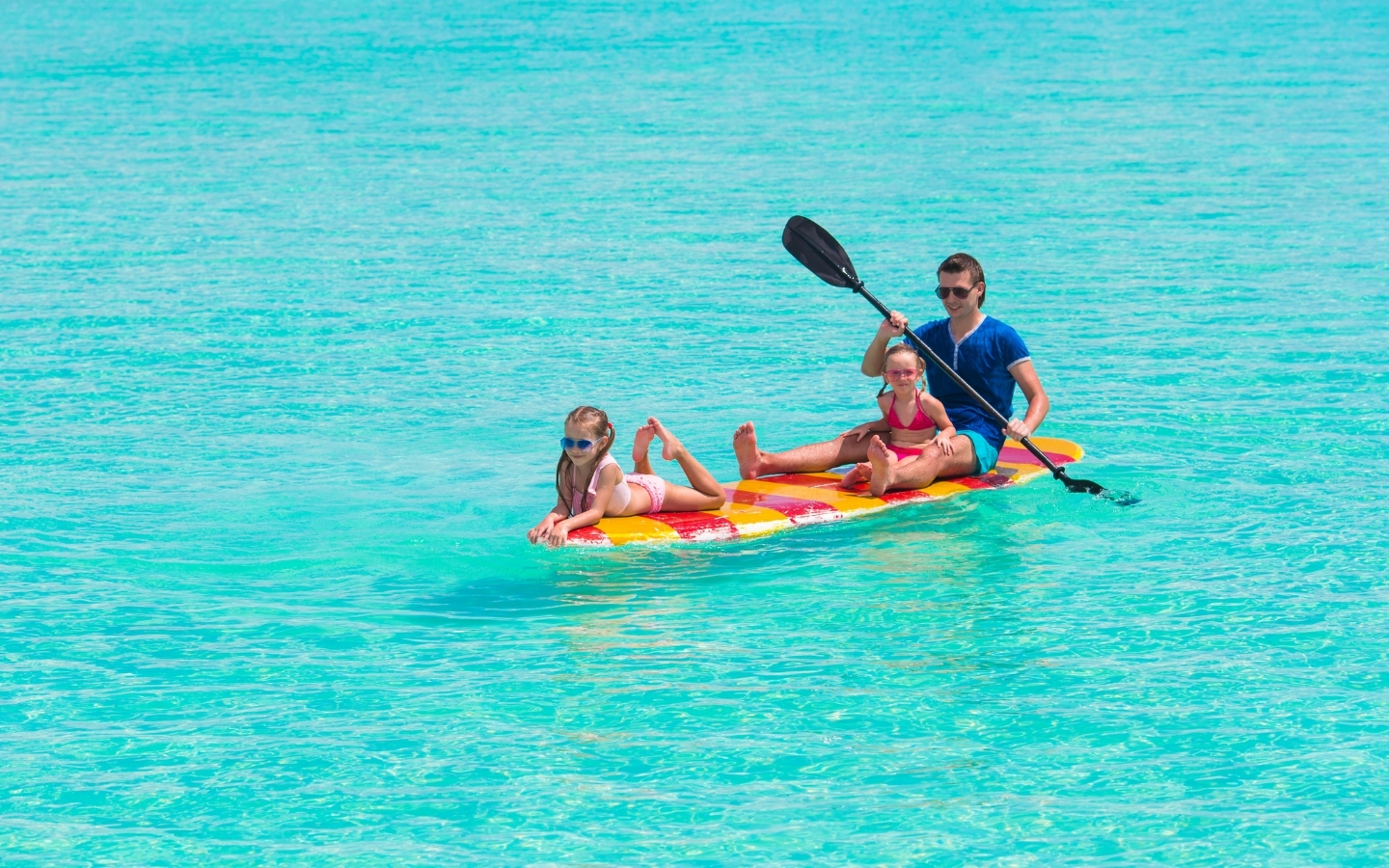
A family holiday in Fiji offers time to enjoy each other’s company, discover new surroundings, and step away from everyday routines. Beach days, cultural encounters, and outdoor experiences can bring different generations together.
Choosing a suitable destination, comfortable accommodation, and a manageable itinerary helps everyone find their own balance between relaxation and exploration.
Viti Levu can be a practical choice for families who prefer mainland accommodation and fewer connections after arriving at Nadi International Airport. Nadi and Denarau offer convenient bases, while the Coral Coast combines resort stays with opportunities for mainland outings.
The Mamanuca Islands suit families interested in beach time and ocean activities. The Yasawas offer quieter settings, although longer transfers deserve consideration when travelling with younger children.
For families drawn to nature, Taveuni provides opportunities for rainforest walks, waterfalls, and marine exploration. Choose around everyone’s interests and abilities rather than assuming one destination suits a particular age group.
A suitable resort makes everyday arrangements easier, from sleeping comfortably to finding meals everyone enjoys.
Check room layouts, bedding, occupancy limits, and dining options before booking. Kids’ clubs and babysitting services vary, so confirm age requirements, supervision arrangements, availability, and additional charges.
Beachfront accommodation does not guarantee suitable swimming conditions. Ask about tides, currents, pool safety, and supervised areas. For grandparents or family members with mobility needs, also check steps, walking distances, and boarding arrangements for excursions.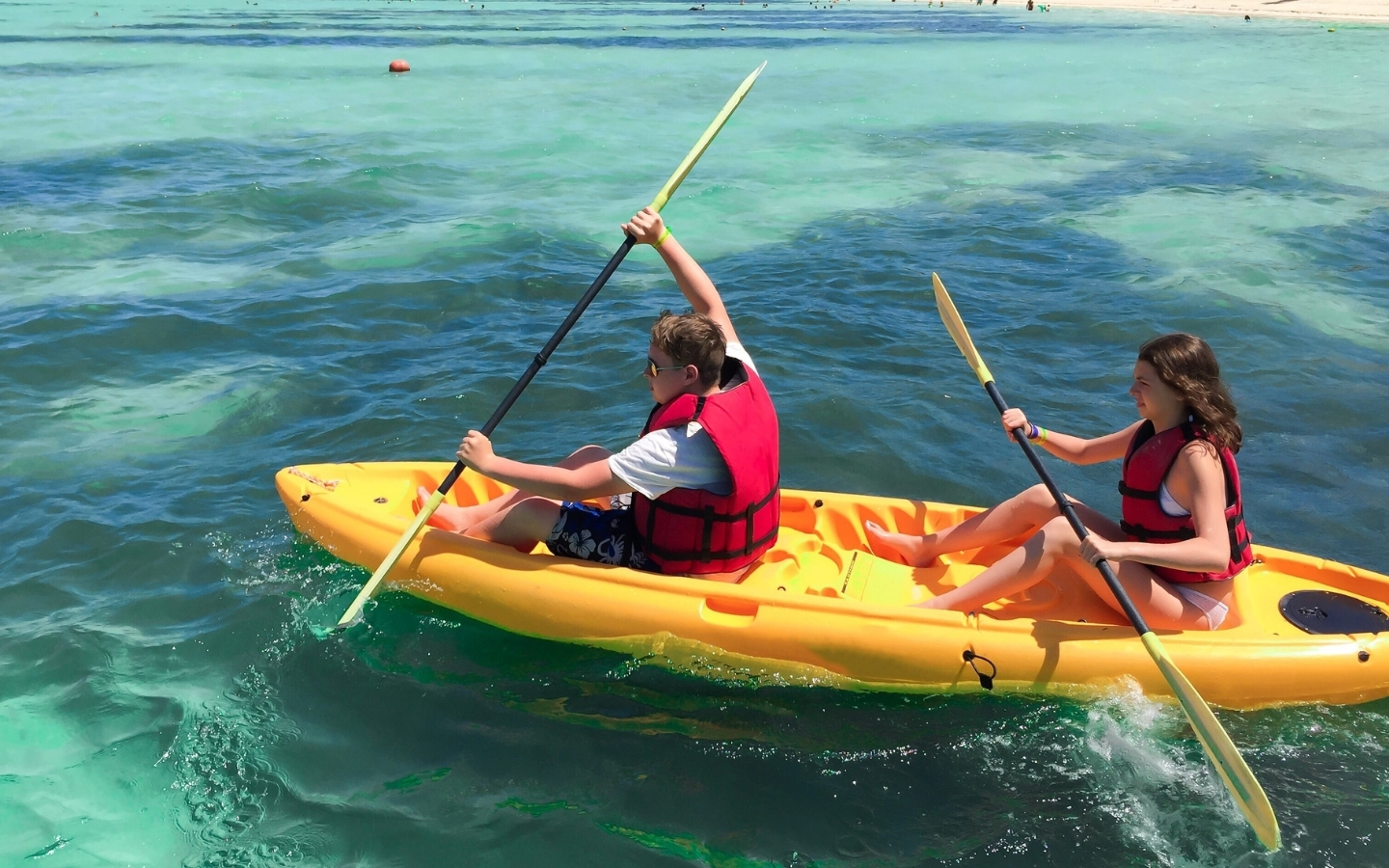
Exploring together can introduce children to a different environment and give the whole family something new to discover.
A guided snorkelling outing, glass-bottom boat trip, or suitable nature walk can offer opportunities to observe marine life and landscapes. Choose activities according to confidence, fitness, age requirements, and conditions on the day.
A hosted village visit provides another perspective through local customs and community life. Dress modestly, ask before photographing people, and follow your host’s guidance. Taking time to listen helps make the experience meaningful for adults and children alike.
Fewer accommodation changes can leave more time and energy for enjoying Fiji.
Check the complete journey to your resort, including road transfers, boat departures, and any domestic flights. Allow comfortable connections and consider a mainland overnight stay if flight times do not fit onward transport.
Once you arrive, balance outings with rest and familiar routines. Some family members may enjoy organised activities while others prefer a quiet afternoon. Shared time often feels more enjoyable when there is also room for individual interests.
Discuss allergies, dietary requirements, and children’s meal options with your accommodation before travelling. Confirm what meal packages include and whether snacks or drinks cost extra.
Pack lightweight clothing, swimwear, hats, sun protection, insect repellent, and regular medication. Comfortable shoes and modest clothing are useful for exploring beyond the resort.
Keep travel-day essentials accessible and check baggage limits for each connection. Before departure, confirm current entry requirements and arrange travel insurance suitable for everyone travelling and the activities planned.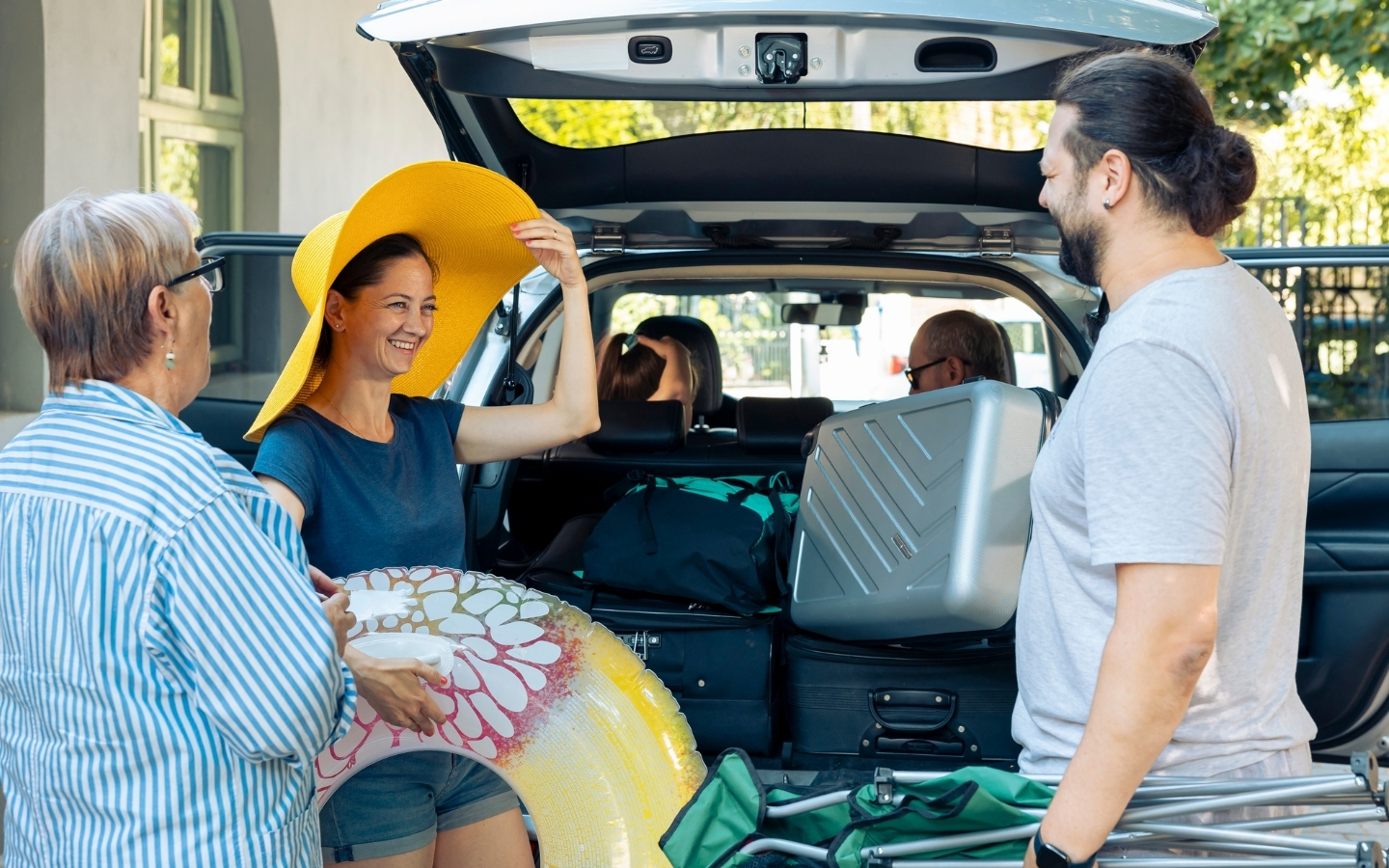
Look beyond the room rate when comparing accommodation.
Children’s meals, transfers, extra bedding, childcare, and excursions can affect the total. Family offers may have age restrictions or apply only to selected room types.
A property with suitable facilities and activities nearby may offer value through convenience as well as price. Understanding the inclusions helps you choose a stay that supports your family’s needs without unexpected expenses.
A rewarding Fiji family holiday does not need a full schedule.
Children may remember discovering a fish beneath the water, joining a beach game, or learning something new during an outing. Adults may value the conversations and uninterrupted time together.
With a comfortable base and room to explore, your family can enjoy Fiji at a pace that allows those memories to grow.
By Nikkie Pacifico Fiji can be expensive, particularly when your holiday includes private island resorts, several transfers, and paid excursions. However, simpler accommodation and a focused itinerary can help keep spending more manageable.
The cost of a Fiji holiday depends on how you choose to stay, travel, and explore. Understanding the main expenses helps you plan a rewarding experience within a budget you feel comfortable with.
Flights and accommodation form the foundation of your holiday spending. Compare the complete airfare, including baggage and any extras you need, and check whether your arrival connects with onward island transport. An overnight mainland stay may add to the total.
Accommodation ranges from guesthouses and mainland hotels to beachfront resorts and private island retreats. Look beyond photographs and nightly rates to consider location, facilities, and access to the experiences you want.
Confirm whether accommodation prices are per room or per person, and whether taxes, meals, or compulsory charges are included.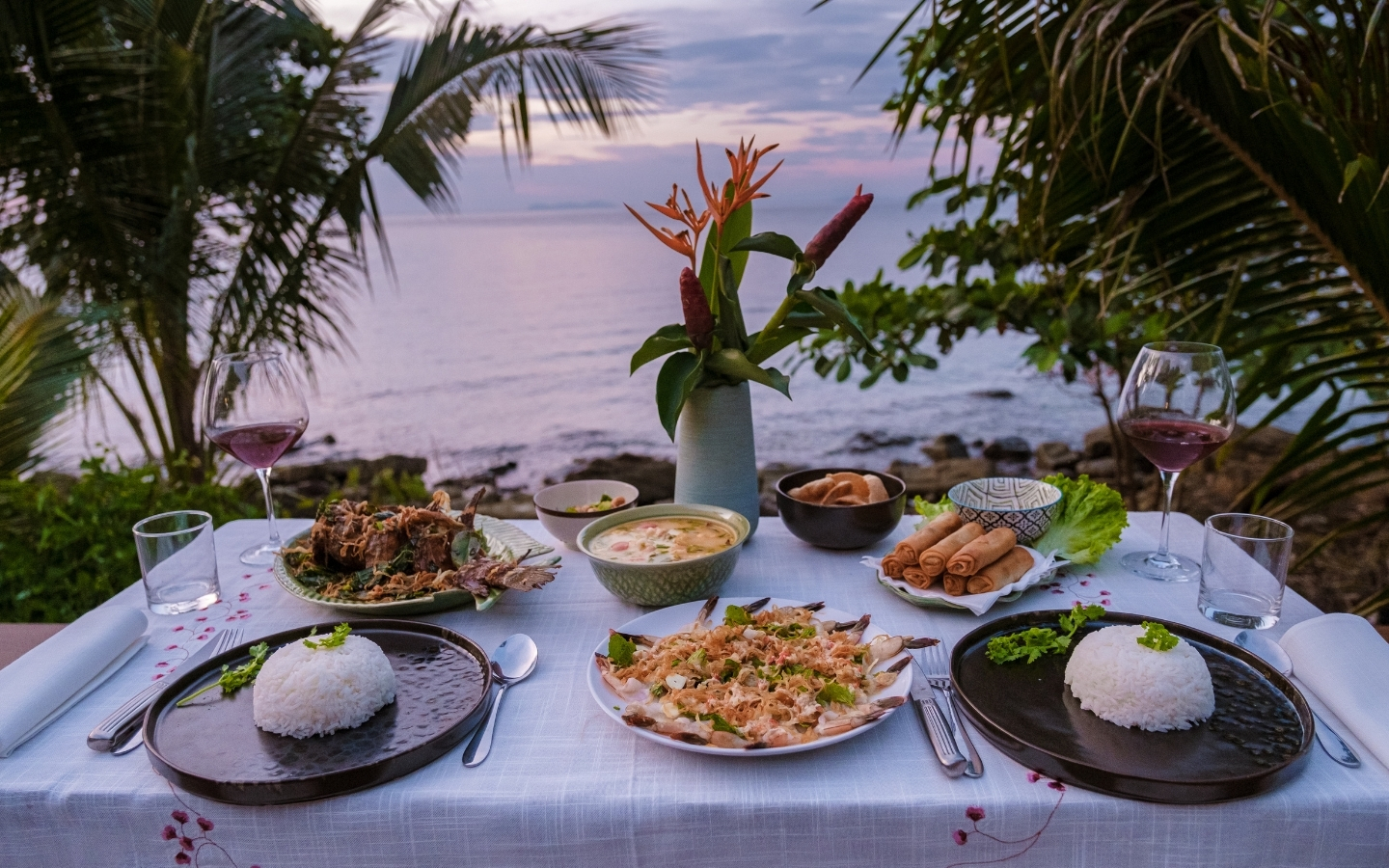
Where you stay influences your dining choices. A mainland property near cafés and restaurants may give you more flexibility, while a smaller island resort may be your main option for meals.
Check whether meal plans are optional or compulsory and what they cover. Drinks, snacks, and special dining experiences may cost extra, even when some meals are included.
Trying local food can also become part of exploring Fiji. Where practical, combining local dining with resort meals brings variety to both your experience and your spending.
Your journey may involve airport transport, ferries, resort boats, or domestic flights. Visiting several destinations adds transfer costs as well as travel time.
Confirm the full return journey before booking, including any connection between a ferry stop and your accommodation. Check baggage allowances and whether excursion pickups require separate payment.
One well-chosen base, or a simple combination of two destinations, can reduce unnecessary travel while still giving you opportunities to discover different surroundings.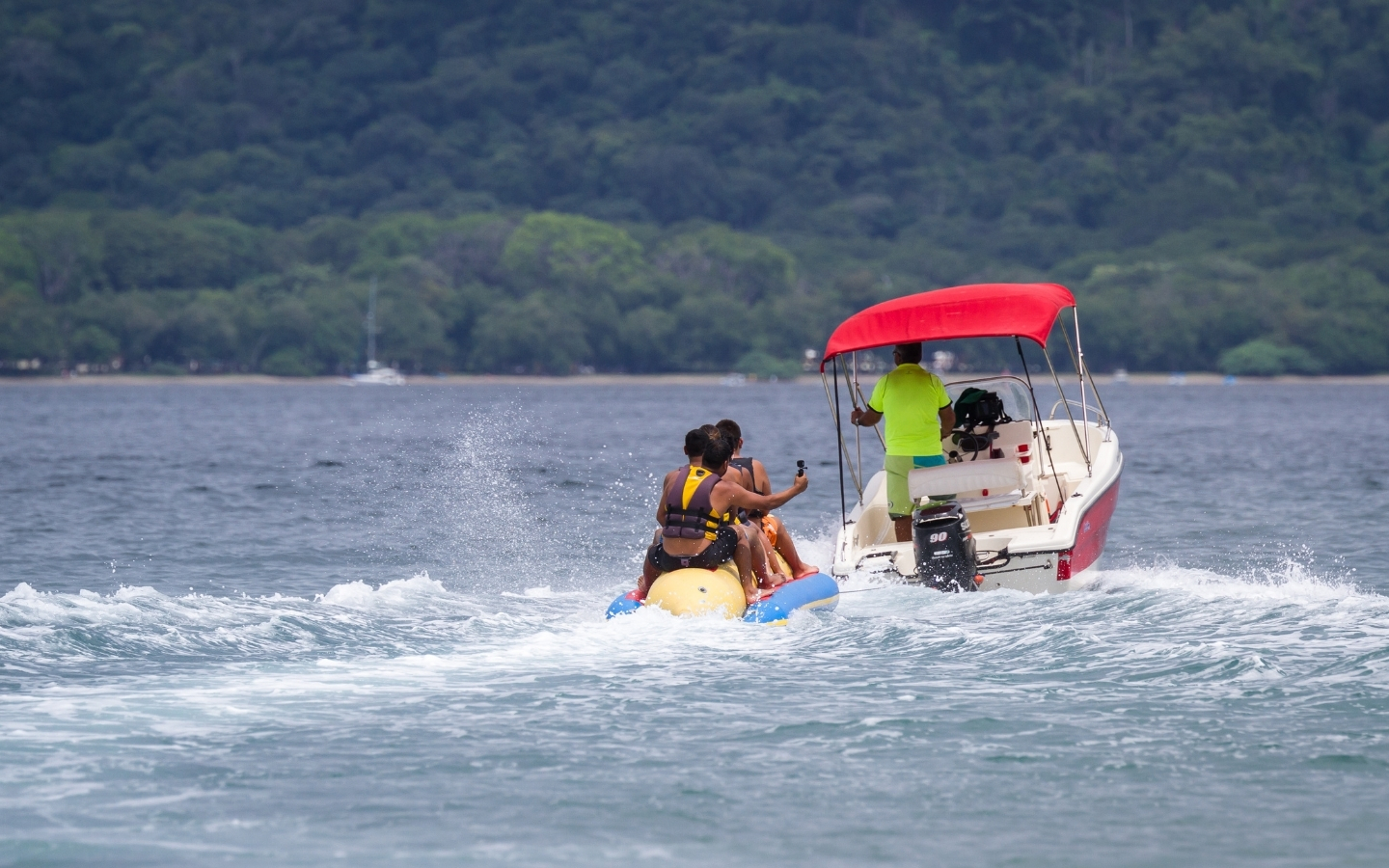
Diving, island excursions, sunset cruises, and spa treatments can contribute significantly to your holiday budget. Some resort activities may be included, but equipment, guides, or transport can carry additional charges.
Choose a few experiences that matter most to you, leaving time for beach walks, relaxation, and enjoying your accommodation.
Allow for smaller purchases too. Drinks, souvenirs, mobile data, payment fees, and occasional transport can add up, so leave some room beyond your main bookings.
School holidays, festive breaks, and other busy periods can influence prices and availability. If your dates are flexible, compare the total holiday cost across several options rather than focusing on a discounted room.
Packages can offer convenience, but their value depends on what you will use. Compare accommodation, meals, return transfers, and activities with the cost of arranging them separately.
Read cancellation conditions and check the currency used for each quote. A clear understanding of inclusions makes comparisons more useful than a headline saving.
Family costs depend on room arrangements, children’s ages, and how meals and transfers are charged.
Confirm occupancy limits, bedding, children’s meal rates, and any conditions attached to family offers. Kids’ clubs, babysitting, and organised activities may involve separate fees.
A property with suitable facilities can offer value through convenience, giving everyone more time to enjoy the stay without frequent additional journeys.
A more affordable Fiji holiday begins with choosing where your spending matters most.
You may prefer simpler accommodation with room in the budget for exploration, or a resort package that keeps daily arrangements close at hand. Neither approach suits everyone.
With the complete costs understood, you can spend less time thinking about extras and more time enjoying Fiji’s landscapes, local encounters, and shared experiences.
By Nikkie Pacifico The best time to visit Fiji depends on the experience you want. Your travel dates influence the weather, availability, and opportunities to explore, whether you are planning an island adventure, a family holiday, or a quiet escape.
Understanding the seasons helps you choose a suitable time while leaving room to enjoy Fiji at your own pace.
Fiji’s generally cooler, drier season brings lower humidity and less rainfall, making it a popular choice for beach holidays, cultural outings, and outdoor exploration.
These months can suit travellers who want to spend much of their time outside. However, dry-seasonweather does not guarantee calm seas or clear skies. Wind, swell, and local conditions still affect water activities and boat transfers.
A light layer can be useful for cooler evenings after a day exploring.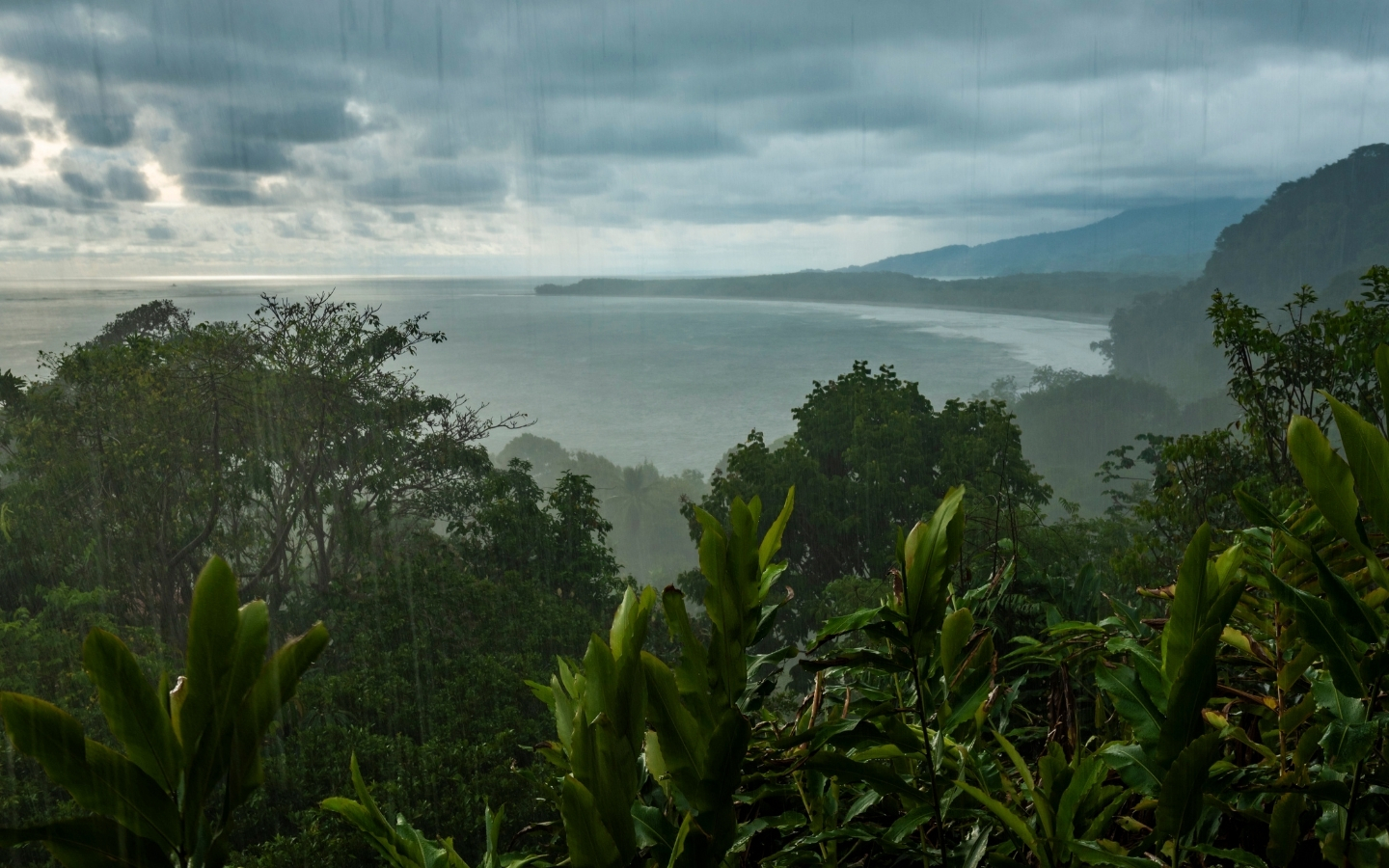
The wetter season brings warmer temperatures, higher humidity, and more frequent rain. Green landscapes and quieter periods can appeal to travellers who are comfortable keeping their plans flexible.
Some dates may offer attractive rates, but school holidays and festive breaks can still be busy. Compare specific travel dates rather than assuming the whole season will be quieter or less expensive.
November to April is also Fiji’s usual cyclone season. Monitor forecasts, follow local advice, and check how your bookings and travel insurance address weather-related disruptions.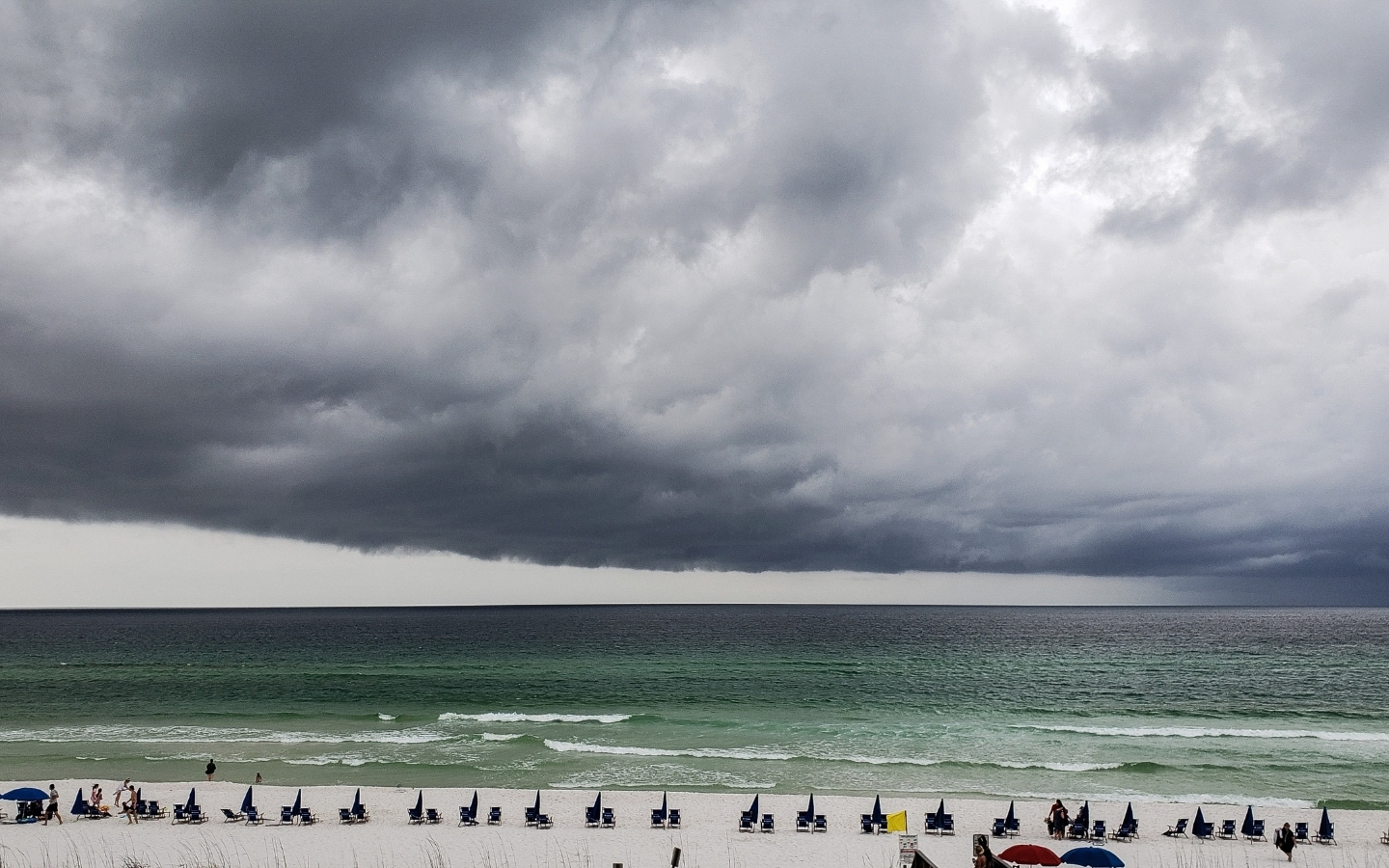
May, June, September, and October are worth comparing if you have flexibility and want alternatives to the busiest holiday weeks.
School calendars, public holidays, and your chosen property all influence demand. Families travelling during school breaks may benefit from booking accommodation and transfers early, particularly when specific room arrangements are needed.
For couples seeking privacy, the atmosphere of the resort can matter as much as the month you travel.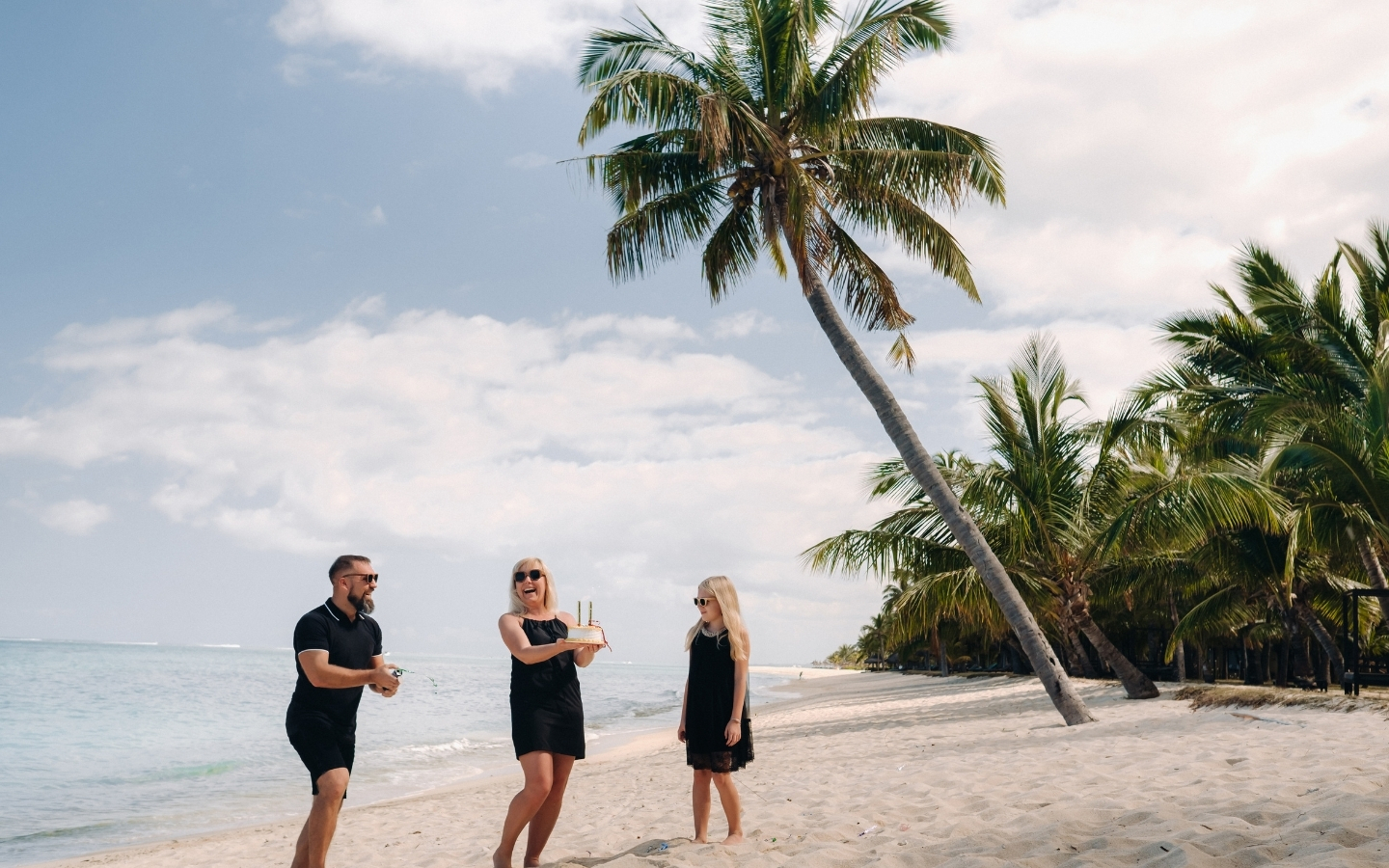
Snorkelling and diving are possible throughout the year, although visibility and access depend on the site, rainfall, currents, and sea conditions. The dry season can provide a useful starting point for planning, with local operators helping you choose suitable experiences.
Surfing conditions differ between breaks, so match your dates to the destination and your ability. For rainforest walks and waterfall outings, check recent rainfall and trail conditions rather than choosing solely for greener scenery.
If a particular wildlife encounter is important to your holiday, confirm its seasonal availability with an appropriate operator before booking.
The drier months can suit a holiday combining several outdoor experiences, but island transfers remain weather-dependent throughout the year.
Check boat and flight connections before confirming accommodation, and leave comfortable margins between journeys. Avoid relying on a tight island transfer immediately before your international departure.
A well-paced itinerary gives you more time to appreciate each destination and adjust when conditions change.
The best-value dates depend on flights, accommodation, meals, transfers, and the activities you want to enjoy.
A lower room rate may not produce a cheaper holiday if other arrangements cost more. Compare the full itinerary and read booking conditions, especially when travelling during wetter months.
Choosing dates that fit both your interests and budget helps you enjoy the experience without unnecessary pressure.
There is no single perfect month for everyone. The dry season may suit travellers focused on outdoor exploration, while the wetter months can work for those who welcome a more flexible stay.
Choose around what matters most to you, then leave room for the destination to surprise you. Time to explore, connect, and relax is what turns your chosen dates into a memorable Fiji holiday.
By Nikkie Pacifico Your first Fiji holiday offers opportunities to relax beside the ocean, explore the islands, and connect with local culture. Choosing where to begin becomes easier when you focus on the experiences you enjoy.
This Fiji travel guide brings together the main decisions, from choosing your destination to arranging transfers, so you can arrive prepared without planning every moment.
Fiji is an island nation, and your choice of destination shapes both your holiday and the journey involved. Many international visitors arrive at Nadi International Airport on Viti Levu before continuing to their accommodation.
Viti Levu offers mainland resorts, markets, and cultural outings. The Mamanuca Islands suit travellers seeking beach stays and ocean activities, while the Yasawas offer opportunities for quieter island surroundings. Taveuni brings a different focus, with rainforest, waterfalls, and diving.
For a first visit, one or two well-chosen destinations can provide plenty of variety. Consider transfer time alongside the scenery and activities that appeal to you.
The generally drier season from May to October tends to bring lower humidity and less rainfall, making it appealing for outdoor exploration. Conditions still vary, particularly for activities on the water.
November to April is generally warmer and wetter, and is also the usual cyclone season. Travelling during these months requires flexibility around weather-dependent excursions and transfers.
Choose dates that suit your priorities and compare availability before booking. School holidays and festive periods can influence demand, regardless of the season.
A short holiday can work well with one base and nearby excursions. Around a week may allow time for a mainland stay and an island destination, while a longer visit gives you more room to explore at a slower pace.
Depending on your destination, transport may involve road transfers, ferries, resort boats, or domestic flights. Confirm departure points, baggage allowances, and onward connections before finalising accommodation.
Allow a comfortable margin before your international departure. For some itineraries, a final mainland overnight stay can make the return journey less hurried.
Fiji offers guesthouses, hotels, family resorts, boutique properties, and more exclusive island stays. Choose around your preferred atmosphere, facilities, and access to activities.
Compare the full cost rather than the room rate alone. Meals, return transfers, excursions, and drinks may be charged separately, and some properties require meal plans.
For families, check room occupancy, children’s activity requirements, and childcare charges. Couples may place more value on privacy and setting. The right accommodation supports how you want to spend your time.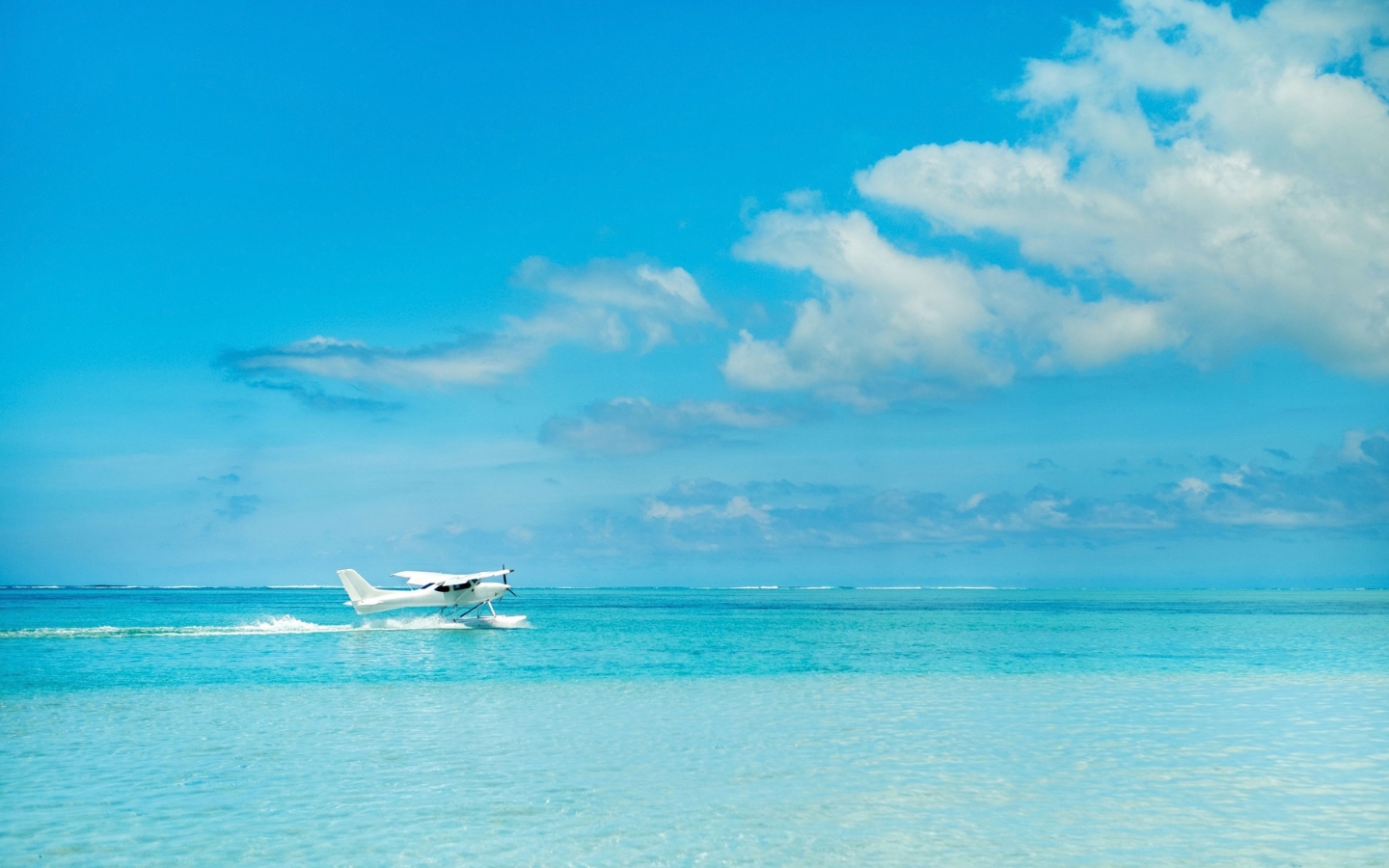
Snorkelling, diving, and island excursions introduce you to Fiji’s marine environments, while inland outings offer opportunities to discover waterfalls and rainforest landscapes.
A hosted village visit can provide insight into community life and traditions. Dress modestly, ask permission before photographing people, and follow your host’s guidance.
Food offers another connection to the destination. You may encounter meals prepared in a lovo earth oven, coconut-based dishes, and flavours shaped by Indo-Fijian influences. Discuss dietary requirements with your accommodation before arrival.
Check current passport and entry requirements with Fiji Immigration before travelling, and arrange insurance suited to your medical needs and planned activities.
Fiji uses the Fijian dollar. Some local currency is useful for smaller purchases, while payment options and mobile coverage should be checked before visiting more remote locations. Download essential booking details for offline access.
Pack lightweight clothing, swimwear, comfortable footwear, sun protection, insect repellent, and regular medication. Include modest clothing for cultural visits and suitable gear for your planned outings.
Leave space between activities to rest, enjoy your accommodation, and follow new interests. Families may find that fewer connections and shorter outings give everyone more energy for shared discoveries.
Choose water activities suited to your confidence and ask about local conditions before participating. A flexible itinerary lets you adjust to weather and energy levels without feeling that you are missing out.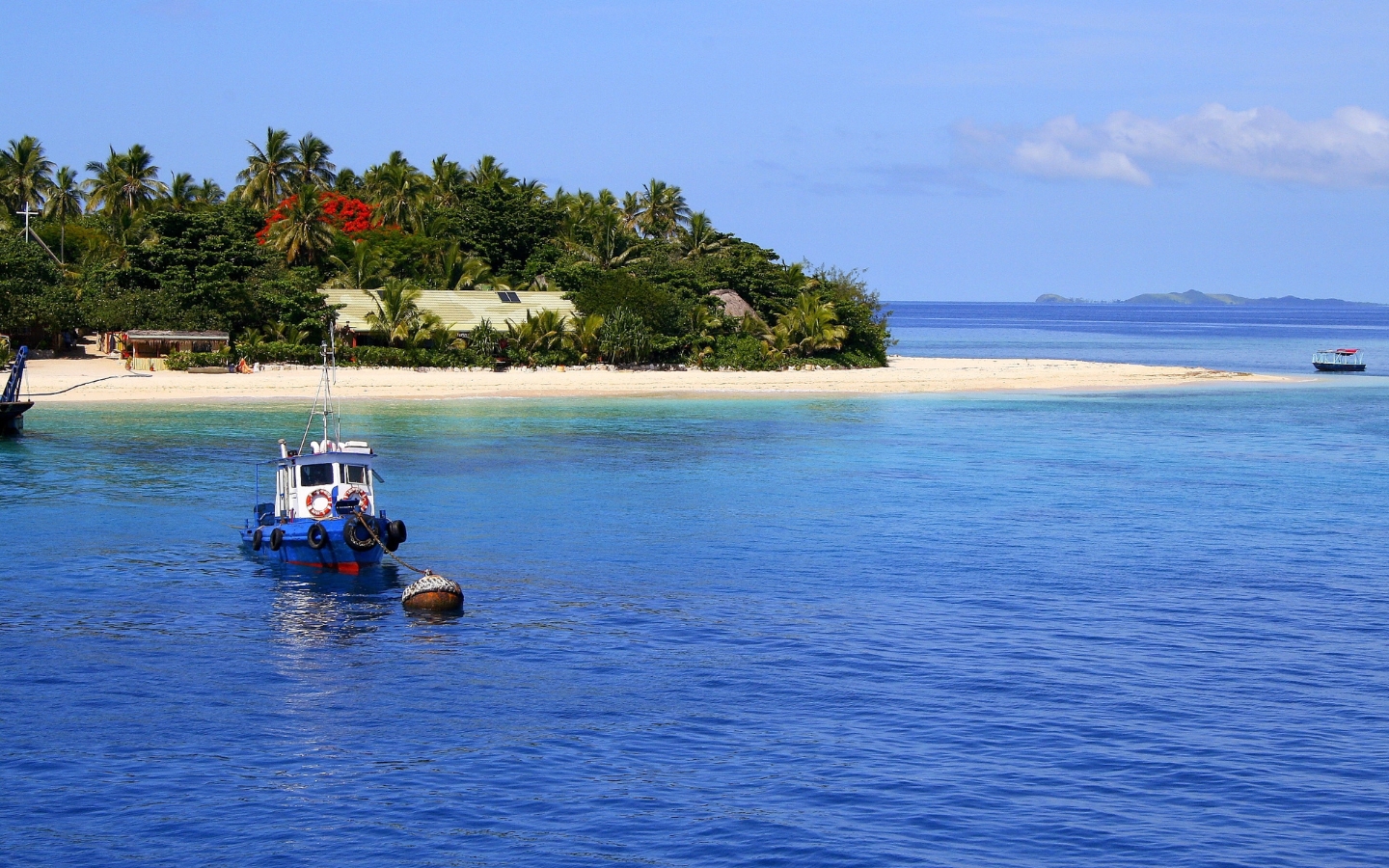
A rewarding first visit gives you time to appreciate the places you choose.
Your memories may come from exploring a reef, sharing a meal, or enjoying a quiet evening beside the ocean. With the essentials organised and room to discover more, your Fiji holiday can unfold at a pace that feels right for you.
By Nikkie Pacifico Fiji’s beaches may first draw you in, but exploring beyond your accommodation reveals more of the destination. Coral reefs, rainforest landscapes, local food, and cultural encounters each bring a different perspective.
Choose experiences that interest you and allow time to enjoy them. A memorable holiday leaves room for both discovery and relaxation.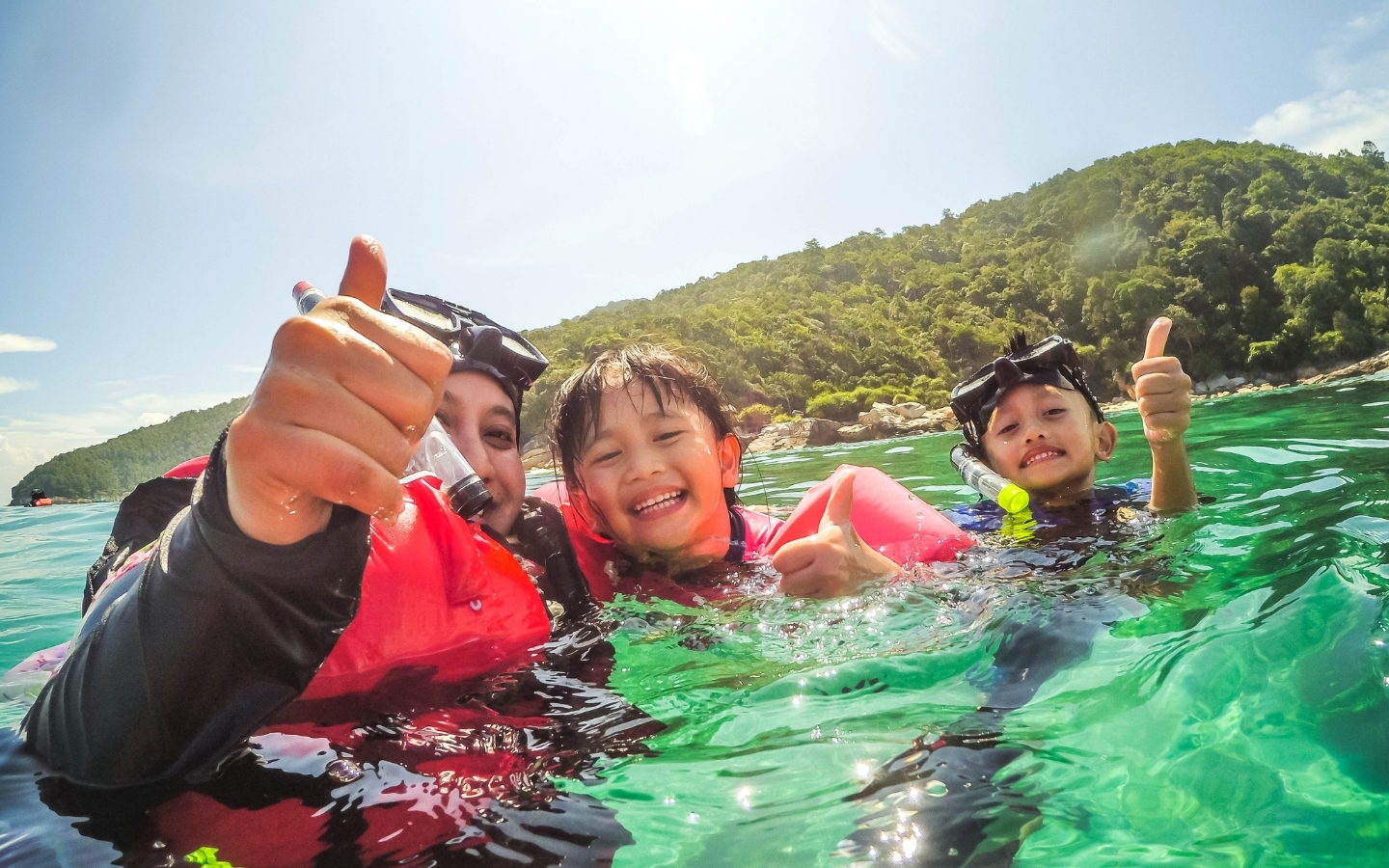
Snorkelling introduces you to coral gardens and tropical fish, whether through a nearby reef or a guided boat excursion.
Choose conditions suited to your swimming confidence and follow local guidance. For families, exploring together can give children a memorable introduction to marine life.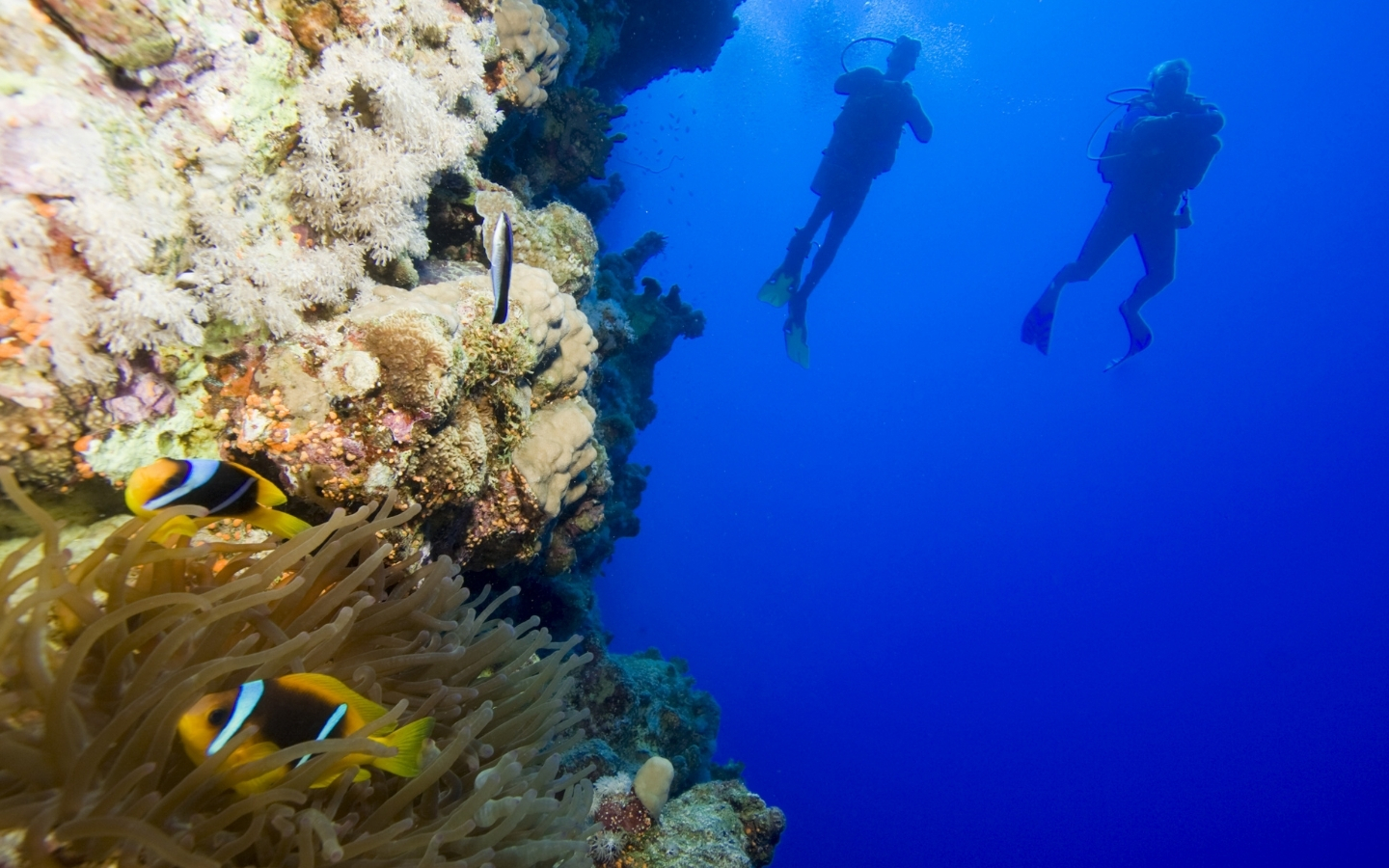
Scuba diving offers a closer view of Fiji’s underwater landscapes, including colourful soft corals and schools of reef fish.
Speak with a qualified operator about sites and experiences suited to your certification. Beginners can ask about introductory options, while experienced divers may plan their stay around particular locations.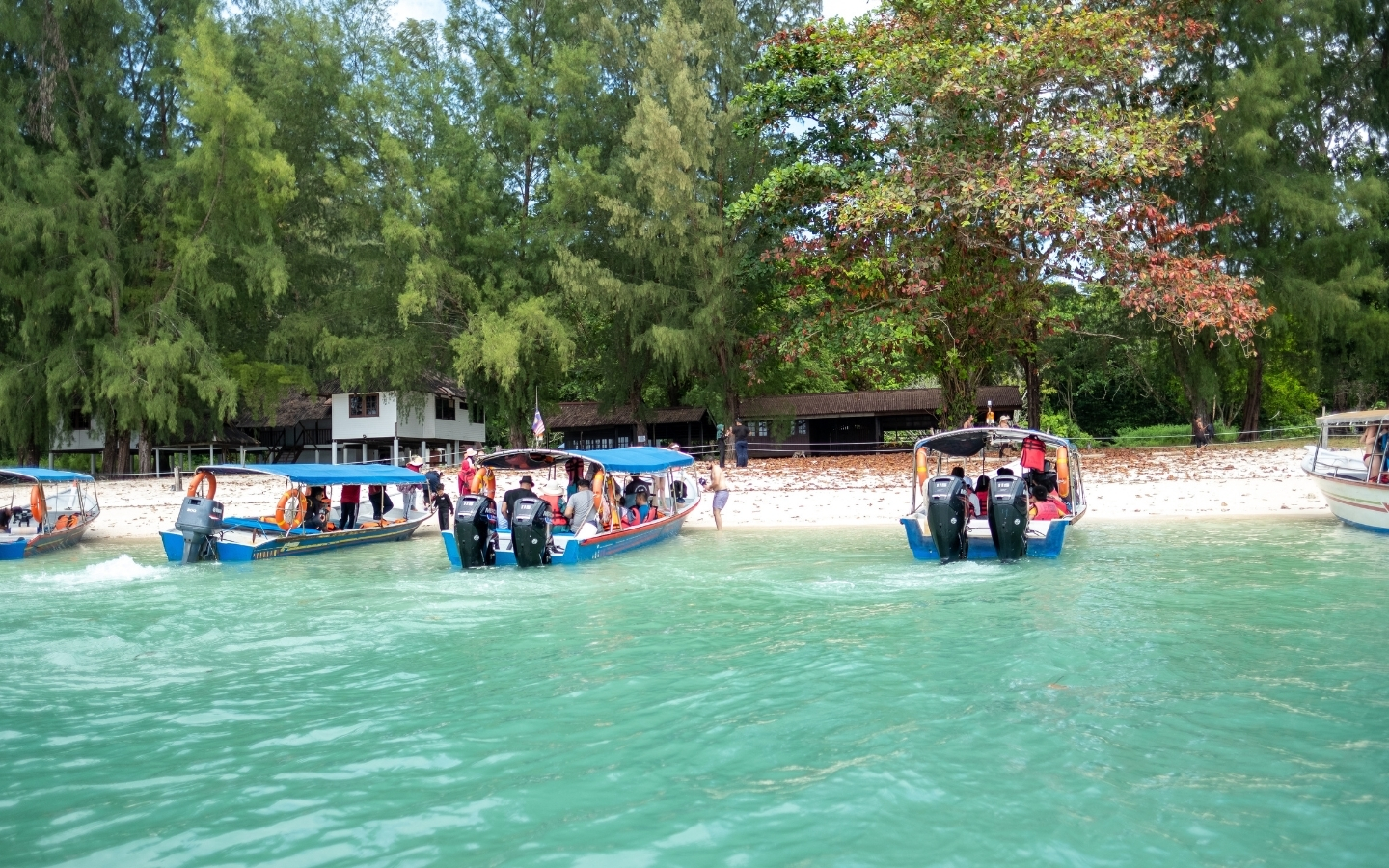
Island hopping adds variety through changing scenery, accommodation, and activities.
You might combine a mainland stay with an island resort or take a day trip from one base. Give each destination enough time so exploration remains enjoyable rather than rushed.
A beach walk, an unhurried breakfast, or an afternoon with a book can become a highlight of your stay.
Quiet days between outings give couples and families space to enjoy each other’s company and appreciate their surroundings.
A hosted village visit offers opportunities to learn about local customs and community life. Depending on the visit, you may be introduced to traditions such as a kava ceremony.
Dress modestly, ask before taking photographs, and follow your host’s guidance. Taking time to listen adds depth to the experience.
An inland outing reveals a different landscape from Fiji’s beaches, with walking trails, greenery, and waterfalls to discover.
Choose a route suited to your fitness and check current conditions before setting out. Enjoying the journey gives you time to notice more along the way.
Kayaking and paddleboarding offer another perspective on the coastline. Depending on your destination, other options may include surfing or organised water sports.
Choose activities that match your ability and the conditions, with guidance where needed.
Watching the islands from the water as daylight softens can provide a peaceful change of pace.
Cruise experiences vary, with some including meals or entertainment. Choose the atmosphere you prefer and enjoy the evening with your travel companions.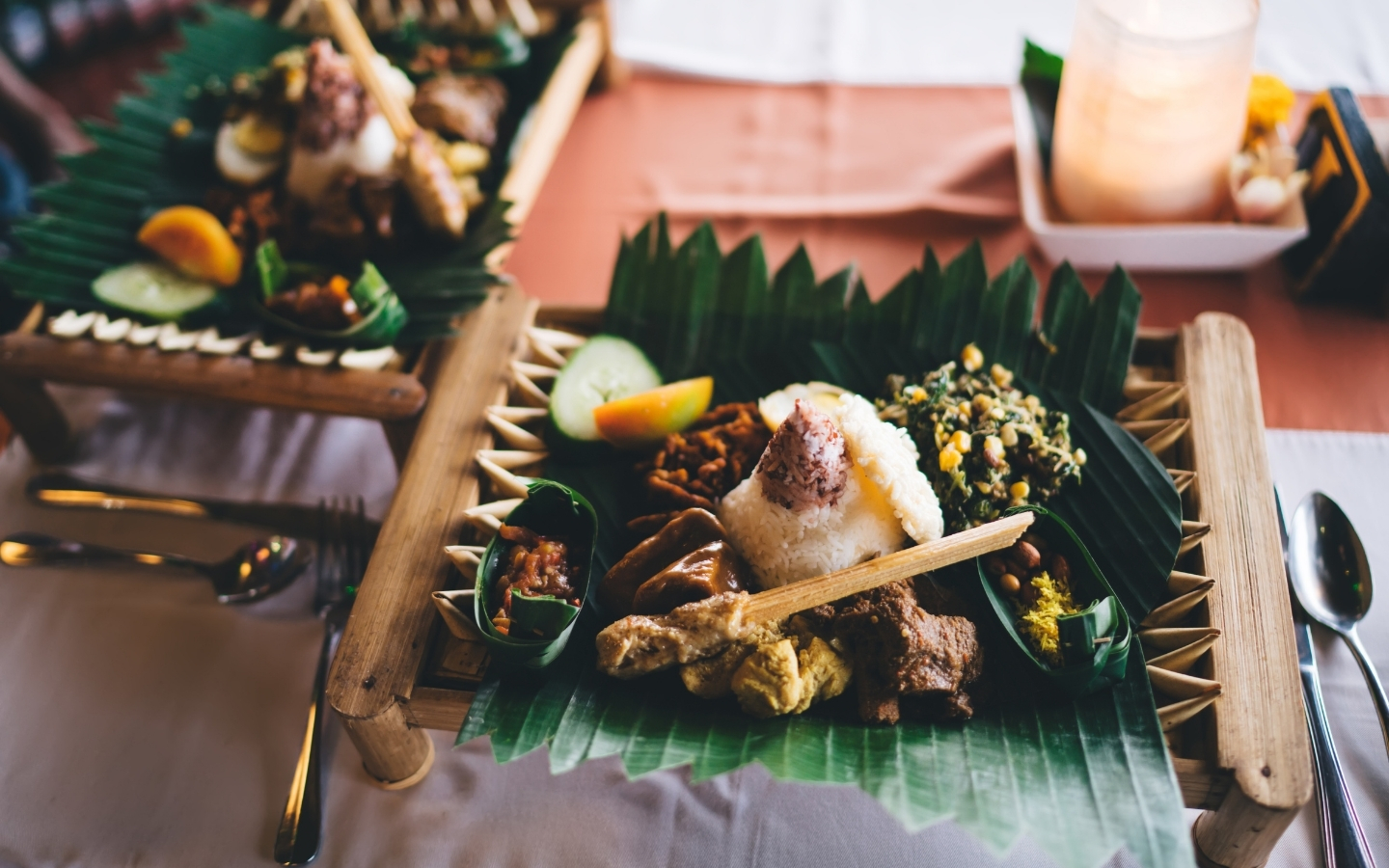
Food brings another dimension to your Fiji experience, from coconut-based dishes and tropical fruit to meals shaped by the country’s cultural diversity.
Ask about unfamiliar dishes and share dietary requirements with your hosts. A meal can become an opportunity for conversation and discovery.
Markets offer a glimpse of everyday life through local produce, trade, and conversation.
When browsing handicrafts, ask about the maker and materials. Learning the story behind a keepsake can make it a more personal reminder of your holiday.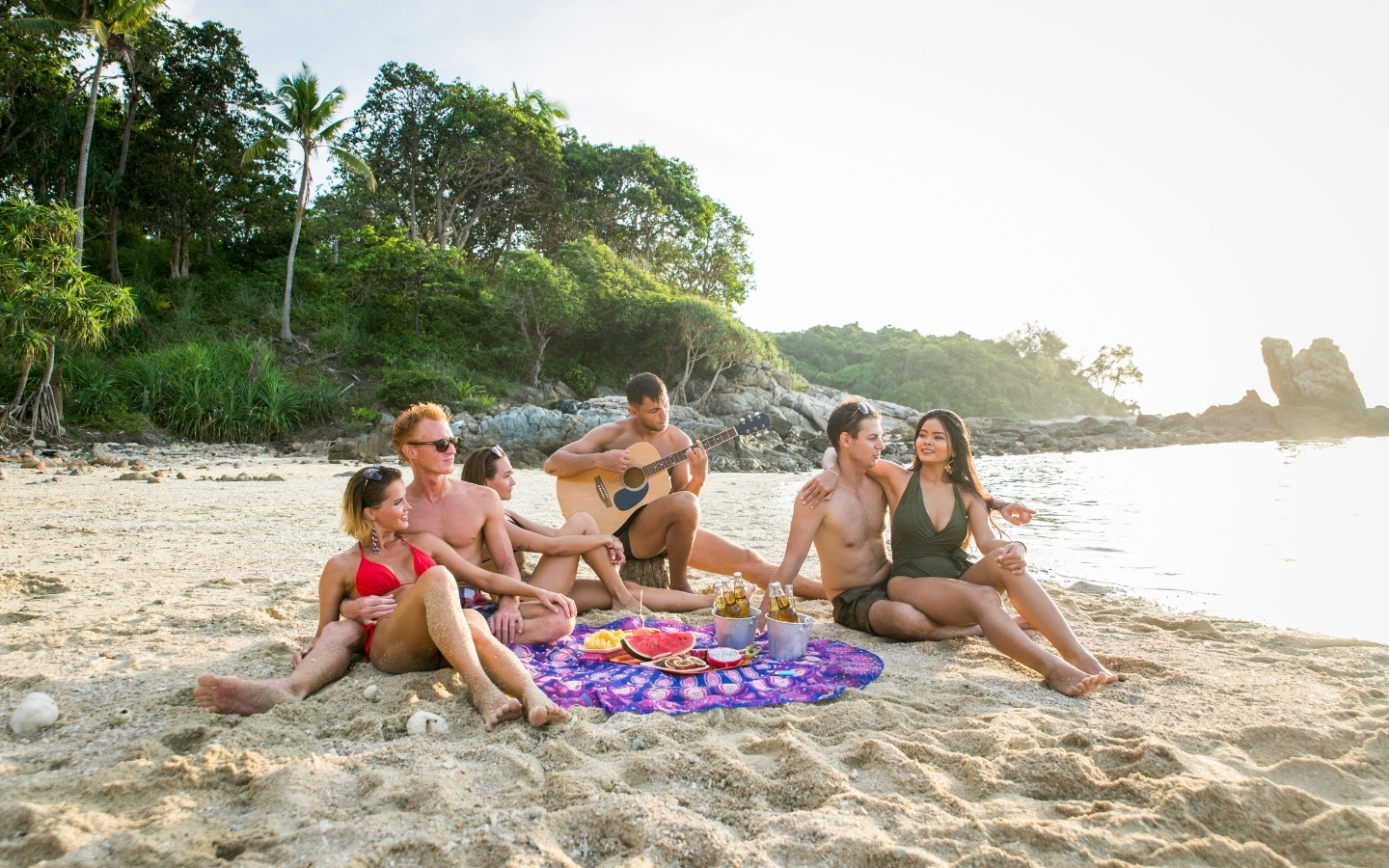
You do not need to fit every activity into one visit. Choose a mix that suits your interests, location, and preferred pace.
The memories you take home may come from a shared adventure, a conversation, or a quiet moment by the ocean. Giving yourself time to enjoy them is part of discovering Fiji.
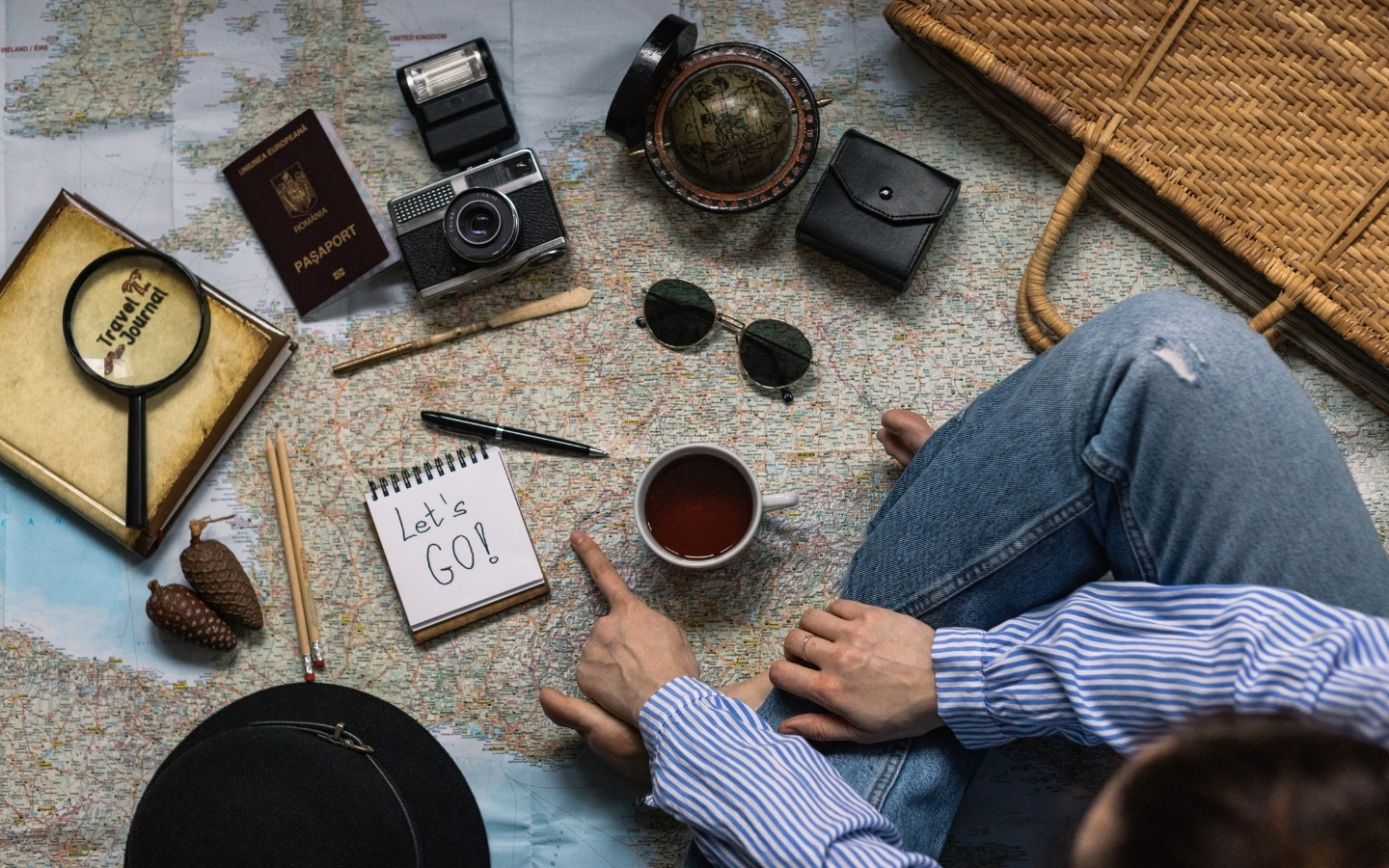
By Nikkie Pacifico A little preparation gives you more freedom to enjoy Fiji once you arrive. Understanding your destination, arranging transfers, and packing for your plans leaves more time to explore and connect with the islands.
You do not need to organise every moment. A comfortable starting point and a flexible itinerary give you room to discover Fiji at your own pace.
Confirm current passport, visa, and entry requirements with Fiji Immigration before travelling. Requirements depend on your nationality and purpose of travel, so check the guidance that applies to you.
Keep accommodation details, onward travel information, and booking confirmations accessible. Arrange travel insurance that covers your medical needs and planned activities.
Where you stay influences both your experiences and the journey involved. A convenient mainland base may suit a shorter holiday, while a longer stay can allow time for another island.
Fiji’s generally drier season runs from May to October. November to April brings warmer, wetter conditions and is also the usual cyclone season. Allow flexibility for weather-dependent outings and transfers.
When comparing accommodation, check meals, activities, and transport costs alongside the room rate.
Your onward journey from Nadi may involve road transport, a ferry, a resort boat, or a domestic flight.
Check departure points, baggage allowances, and how connections fit with your international flights. An overnight mainland stay may make some journeys more comfortable, particularly before departure.
For families, fewer transfers and time to rest can leave everyone with more energy to enjoy the holiday.
Fiji uses the Fijian dollar. Cards are useful at larger businesses, while some local currency helps with markets and smaller purchases. Confirm payment options before travelling somewhere remote.
Pack lightweight clothing, swimwear, comfortable shoes, sun protection, insect repellent, and regular medication. Include modest clothing for village visits and suitable footwear for outdoor exploration.
Mobile coverage and Wi-Fi vary between locations. Check your connection options and download essential travel details for offline access.
Local meals offer another way to experience Fiji. Discuss allergies and dietary requirements with your accommodation, especially where dining choices are limited.
Follow current health guidance on food and drinking water, and confirm a suitable drinking-water supply rather than assuming tap water is safe everywhere.
During excursions, follow local advice and choose activities suited to your ability. Ask about currents, tides, and supervision before swimming or snorkelling, and keep valuables secure while exploring.
A friendly “Bula” can begin a conversation, while a hosted village visit offers opportunities to learn more about community life.
Dress modestly, ask permission before photographing people, and follow your host’s guidance about local customs. Taking time to listen can make these encounters a memorable part of your stay.
For children, shared cultural and nature experiences can introduce new perspectives beyond the resort.
Once the essentials are organised, give yourself space to relax and respond to what interests you.
An unplanned conversation, a quiet afternoon, or a discovery close to your accommodation may become as memorable as a booked excursion.
Thoughtful preparation creates that freedom, helping you explore Fiji with confidence while enjoying a pace that feels right for you.
By Nikkie Pacifico Where you stay shapes how you experience Fiji. From convenient mainland resorts to quieter island escapes, each setting offers its own atmosphere, pace, and opportunities to explore.
Choosing a location that matches your travel style gives you more freedom to relax, discover your surroundings, and enjoy a rewarding Fiji travel experience.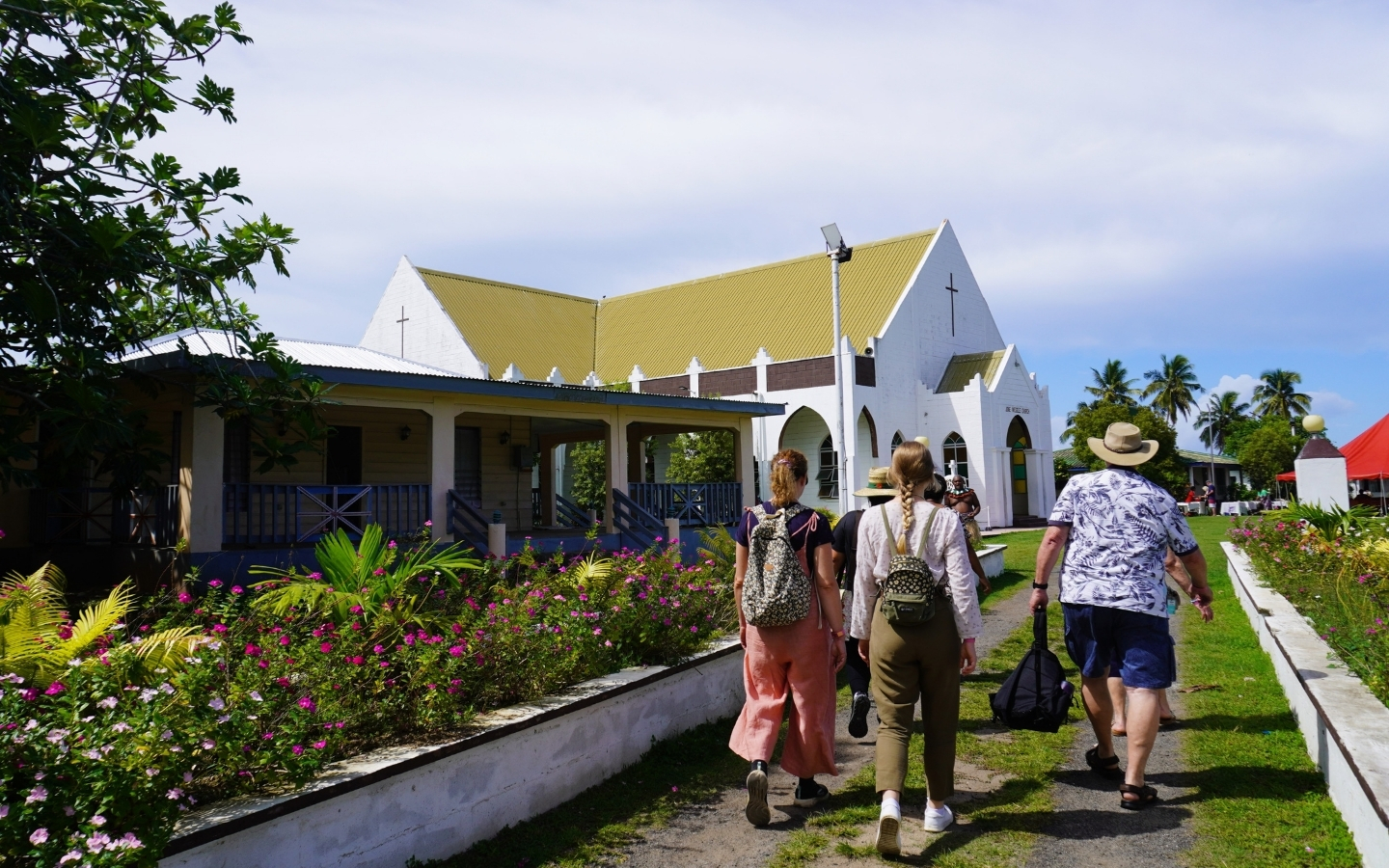
Viti Levu is the starting point for many visitors arriving through Nadi International Airport. Staying on the main island offers opportunities to combine resort comfort with markets, sightseeing, and cultural experiences.
Nadi and Denarau can suit travellers who value convenient connections, while the Coral Coast offers beachfront stays along the southern coastline. Suva provides a different perspective through city life and history.
Choose your area carefully, as distances between accommodation and activities can shape your days.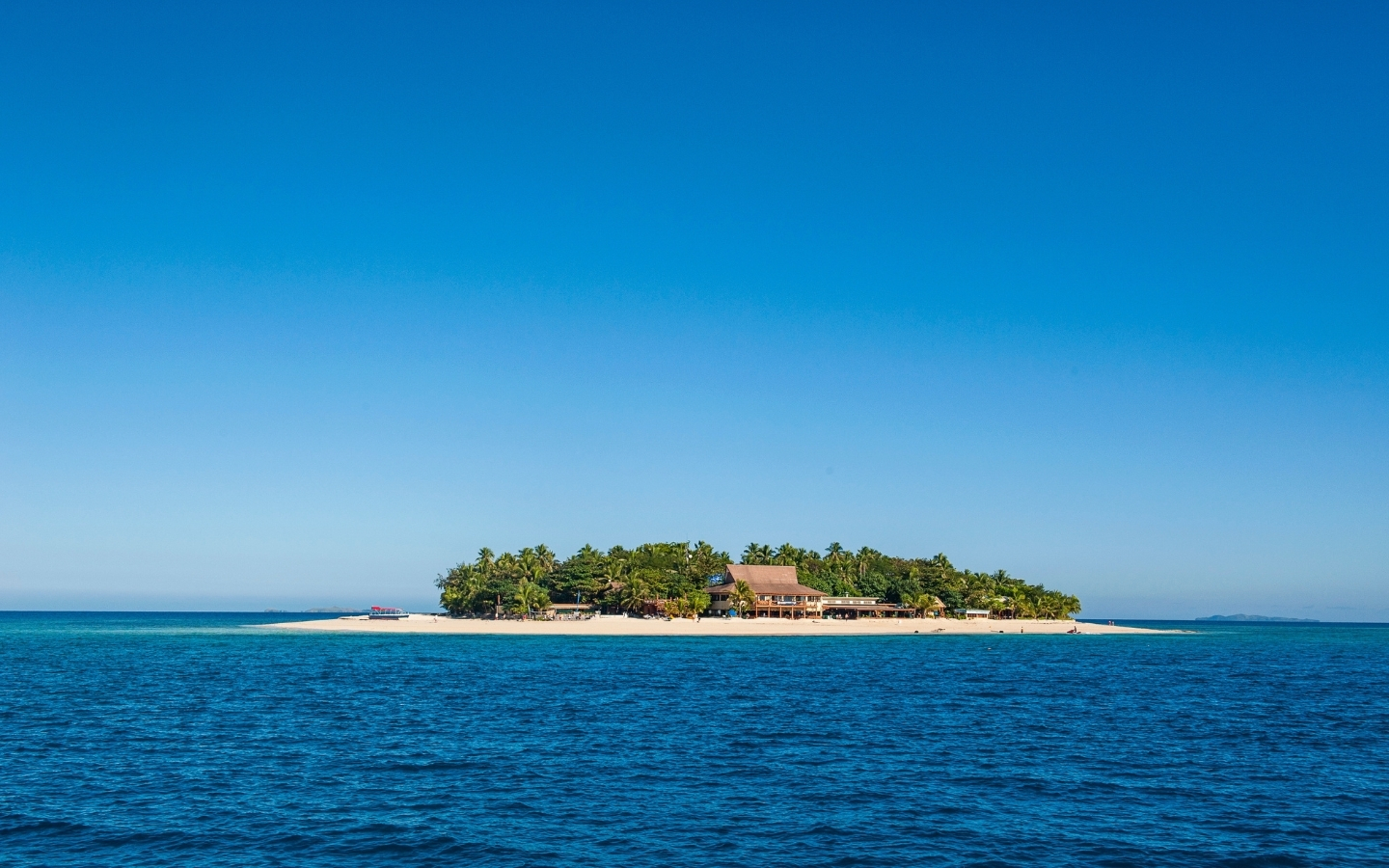
The Mamanuca Islands offer the beach scenery and ocean activities many travellers imagine when planning Fiji.
Accommodation ranges from family-friendly resorts to adults-only properties and more exclusive stays. Your choice depends on whether you prefer shared activities, a lively atmosphere, or somewhere quieter.
With opportunities for snorkelling, kayaking, and boat excursions, a stay here can balance relaxation with island discovery.
The Yasawa Islands appeal to travellers seeking striking landscapes and a more secluded setting.
Reaching your accommodation may involve a longer journey, so allow enough time to settle in once you arrive. For couples and explorers who enjoy an unhurried pace, the surroundings become part of the appeal.
Choose your property around the atmosphere and nearby experiences you want to enjoy.
Taveuni suits travellers who want rainforest, waterfalls, walking, and diving to be central to their holiday.
Vanua Levu offers another setting for coastal scenery, marine experiences, and opportunities to discover local life beyond the more familiar resort routes.
For either destination, consider how your accommodation connects with your interests. A suitable base gives you more time to explore and appreciate your surroundings.
The right accommodation supports how you want to spend your time.
Couples may prioritise privacy and atmosphere, while families may value spacious rooms, suitable dining, and activities everyone can enjoy. Smaller hotels and guesthouses can also suit travellers who prefer simpler accommodation and more time exploring.
For children, the location can open up opportunities to discover marine life and learn about local culture. Balancing those experiences with comfortable facilities helps the whole family enjoy the stay.
Look beyond the nightly rate and confirm meal arrangements, return transfers, and any additional activity charges. For families, check room occupancy, kids’ club age requirements, and childcare costs.
Beach access, swimming conditions, and proximity to activities vary by property, so check these details alongside the facilities. Recent guest reviews can also help you understand the setting and everyday experience.
These practical checks make it easier to compare the complete stay rather than the room alone.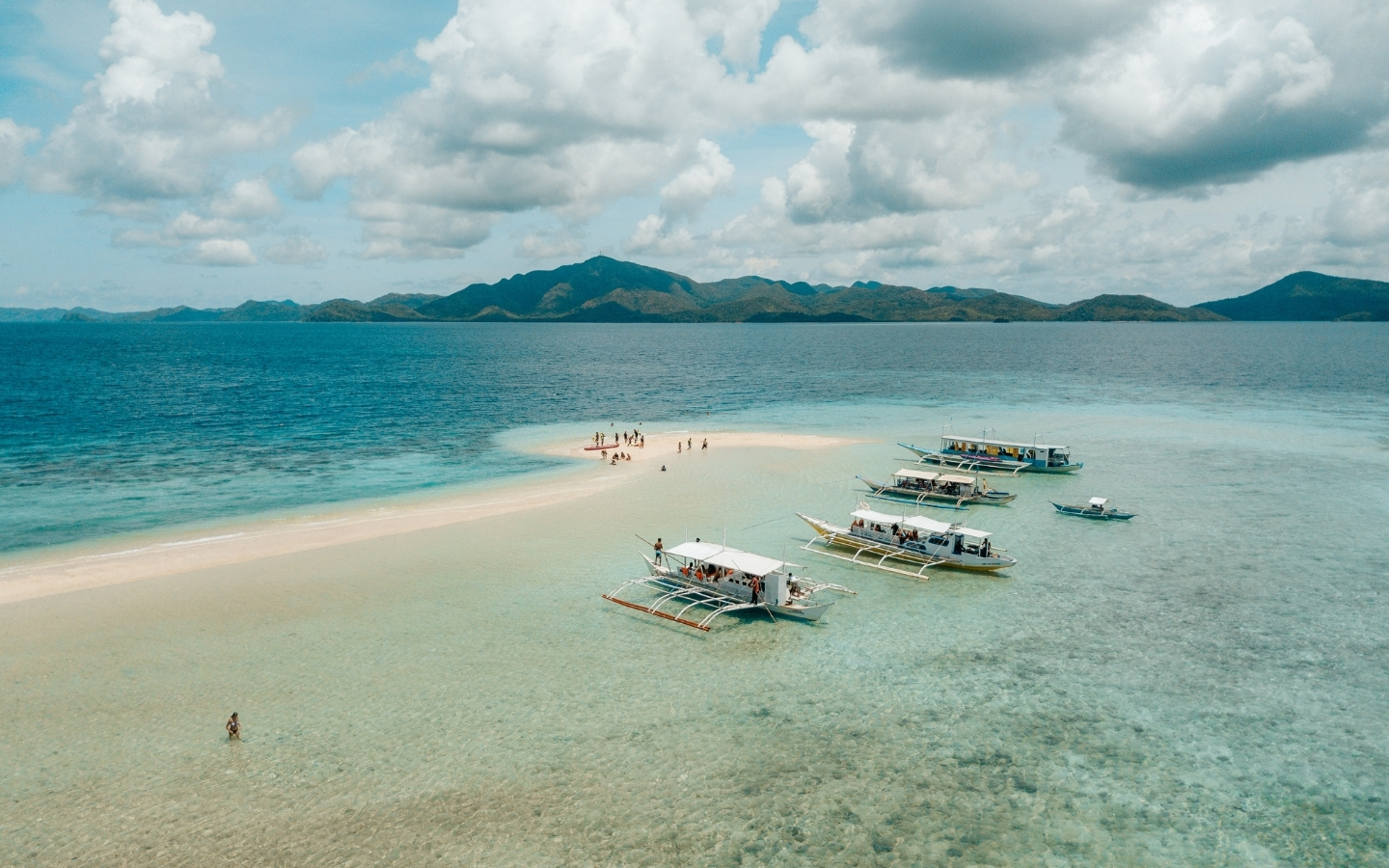
One base gives you time to settle in and enjoy your surroundings without frequent packing and transfers.
Combining two destinations can add variety, particularly during a longer holiday. A mainland stay followed by an island resort introduces different experiences while keeping the itinerary manageable.
Check how road, boat, or domestic flight connections fit with your arrival and departure before confirming accommodation. Give each place enough time, with room for changes along the way.
There is no single best place to stay in Fiji. The right choice depends on what you enjoy and the pace you prefer.
A well-chosen location becomes more than somewhere to sleep. It gives you a starting point for exploring, connecting, and creating memories through the experiences around you.
Page 1 of 3