

The best time to visit Fiji depends on the experience you want. Your travel dates influence the weather, availability, and opportunities to explore, whether you are planning an island adventure, a family holiday, or a quiet escape.
Understanding the seasons helps you choose a suitable time while leaving room to enjoy Fiji at your own pace.
Dry season: May to October
Fiji’s generally cooler, drier season brings lower humidity and less rainfall, making it a popular choice for beach holidays, cultural outings, and outdoor exploration.
These months can suit travellers who want to spend much of their time outside. However, dry-seasonweather does not guarantee calm seas or clear skies. Wind, swell, and local conditions still affect water activities and boat transfers.
A light layer can be useful for cooler evenings after a day exploring.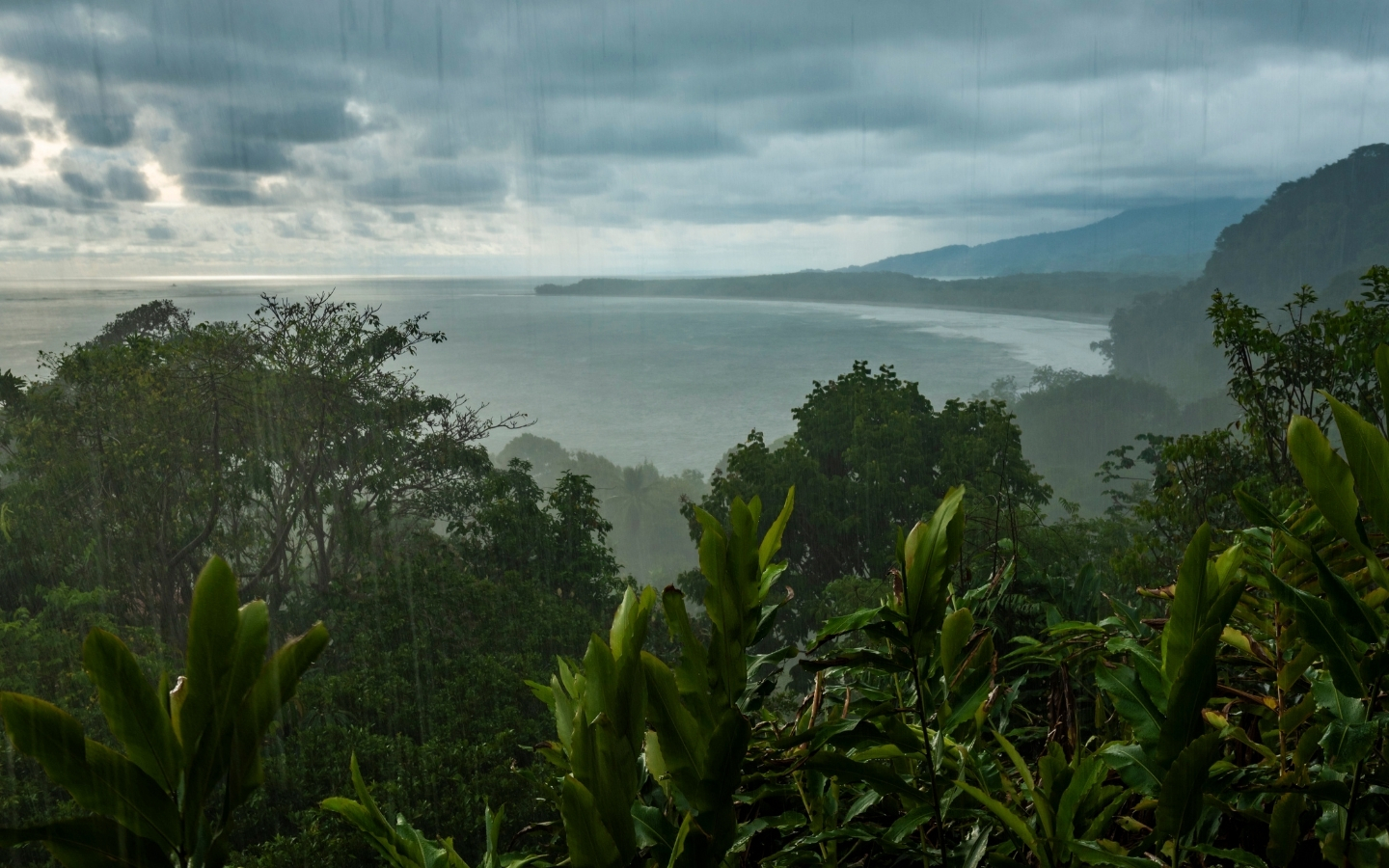
Wet season: November to April
The wetter season brings warmer temperatures, higher humidity, and more frequent rain. Green landscapes and quieter periods can appeal to travellers who are comfortable keeping their plans flexible.
Some dates may offer attractive rates, but school holidays and festive breaks can still be busy. Compare specific travel dates rather than assuming the whole season will be quieter or less expensive.
November to April is also Fiji’s usual cyclone season. Monitor forecasts, follow local advice, and check how your bookings and travel insurance address weather-related disruptions.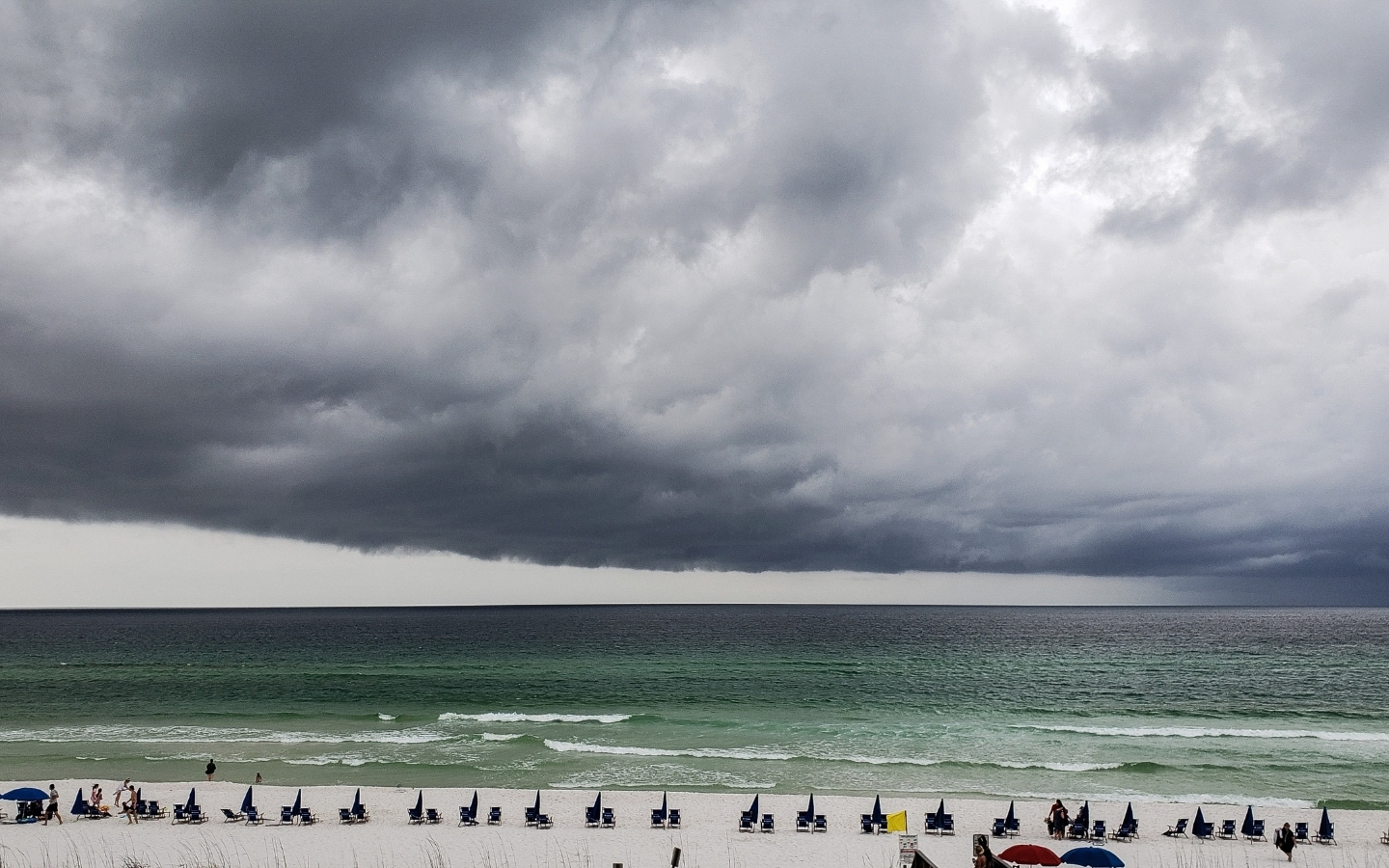
Finding a balance between weather and crowds
May, June, September, and October are worth comparing if you have flexibility and want alternatives to the busiest holiday weeks.
School calendars, public holidays, and your chosen property all influence demand. Families travelling during school breaks may benefit from booking accommodation and transfers early, particularly when specific room arrangements are needed.
For couples seeking privacy, the atmosphere of the resort can matter as much as the month you travel.
Choosing dates around your activities
Snorkelling and diving are possible throughout the year, although visibility and access depend on the site, rainfall, currents, and sea conditions. The dry season can provide a useful starting point for planning, with local operators helping you choose suitable experiences.
Surfing conditions differ between breaks, so match your dates to the destination and your ability. For rainforest walks and waterfall outings, check recent rainfall and trail conditions rather than choosing solely for greener scenery.
If a particular wildlife encounter is important to your holiday, confirm its seasonal availability with an appropriate operator before booking.
Allowing time for island connections
The drier months can suit a holiday combining several outdoor experiences, but island transfers remain weather-dependent throughout the year.
Check boat and flight connections before confirming accommodation, and leave comfortable margins between journeys. Avoid relying on a tight island transfer immediately before your international departure.
A well-paced itinerary gives you more time to appreciate each destination and adjust when conditions change.
Comparing the complete holiday cost
The best-value dates depend on flights, accommodation, meals, transfers, and the activities you want to enjoy.
A lower room rate may not produce a cheaper holiday if other arrangements cost more. Compare the full itinerary and read booking conditions, especially when travelling during wetter months.
Choosing dates that fit both your interests and budget helps you enjoy the experience without unnecessary pressure.
Finding the right time for your Fiji experience
There is no single perfect month for everyone. The dry season may suit travellers focused on outdoor exploration, while the wetter months can work for those who welcome a more flexible stay.
Choose around what matters most to you, then leave room for the destination to surprise you. Time to explore, connect, and relax is what turns your chosen dates into a memorable Fiji holiday.